Supporting Local Wildlife with Sustainable Lawncare
In the vibrant community of Athens, GA, balancing beautiful landscapes with environmental preservation is vital. At Dead Silent Lawncare, we believe in creating lush lawns that support local wildlife through sustainable practices. By choosing sustainable lawn care, you can create a thriving habitat for wildlife while maintaining a healthy lawn. Here’s how our approach can make a significant impact.
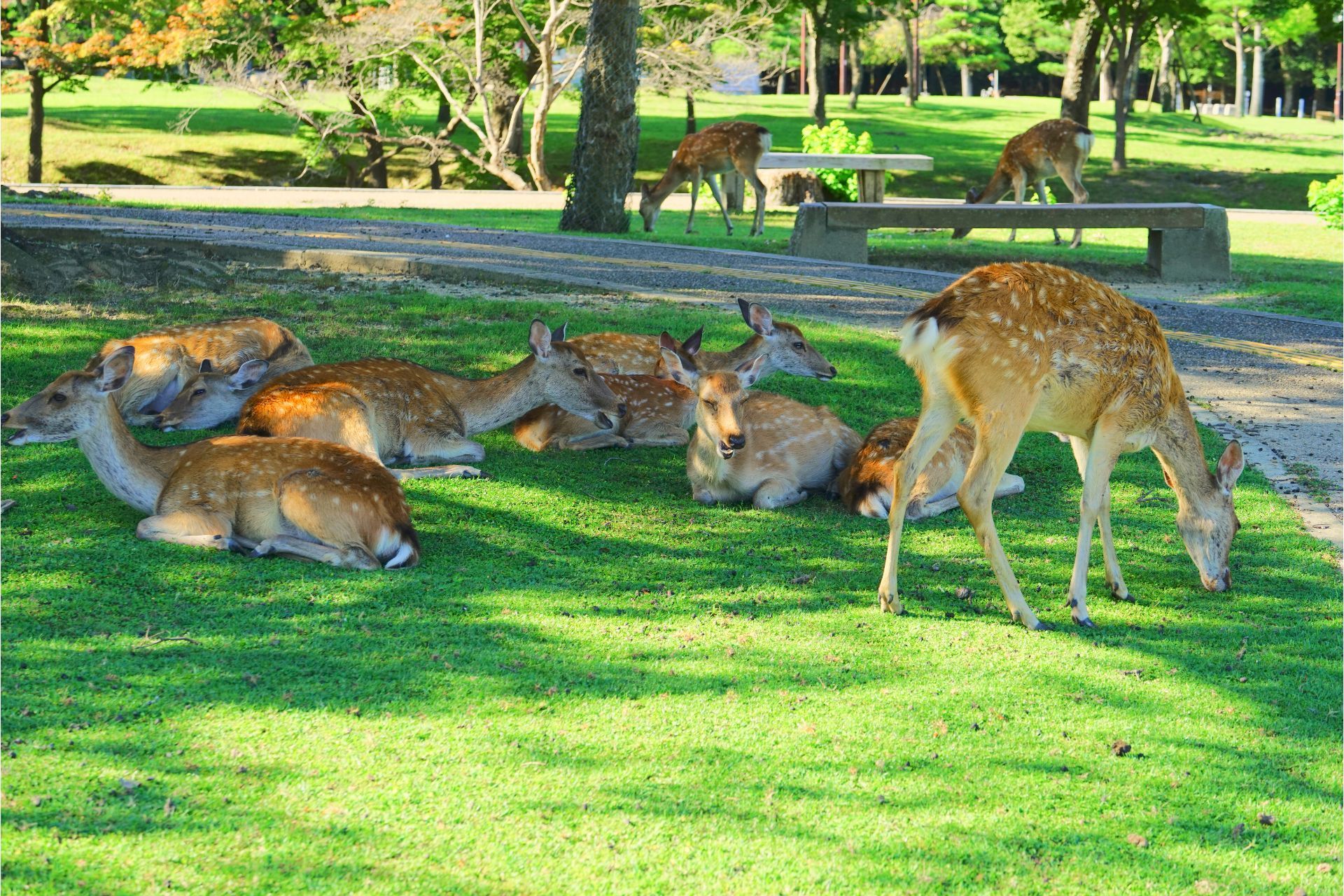
1. Creating a Wildlife-Friendly Environment
Native Plant Integration
One of the most effective ways to support local wildlife is by incorporating native plants into your lawn. Native plant species offer essential food and shelter to birds, pollinators, and other wildlife, fostering biodiversity. Choose each plant for the light, soil and drainage at your site; native plants are not automatically drought-tolerant or maintenance-free.
Natural Habitats and Features
In addition to plants, consider incorporating features like birdbaths, brush piles, or nesting boxes. These natural elements provide critical resources for wildlife, transforming your lawn into a sanctuary for various species.
2. Eco-Friendly Lawn Care Practices
Organic Lawn Products
We can discuss appropriate organic or natural treatment options, but those labels do not mean a product is harmless to people, pets or wildlife. Start by identifying the problem and follow product directions, including precautions for pollinators and nearby water.
Sustainable Water Management
Implementing sustainable water practices, like rain gardens or efficient irrigation systems, helps conserve water and provides habitats for aquatic and semi-aquatic wildlife. Drought-resistant plants and rain harvesting systems further enhance water use efficiency, contributing to a supportive environment for local wildlife.
3. Promoting Pollinator Health
Pollinator Gardens
Pollinators such as bees, butterflies, and hummingbirds play a crucial role in maintaining ecological balance. Designing a pollinator garden with a diverse range of blooming plants can provide essential resources for these helpful creatures. Use plants that bloom at different times of the year to ensure nectar availability throughout the seasons.
Avoiding Harmful Pesticides
Integrated pest management starts with monitoring and identification. Cultural, biological and mechanical methods can reduce the need for pesticides; products may still be appropriate when needed. Follow label directions and pollinator precautions for natural and synthetic pesticides alike.
4. Encouraging Community and Conservation
Educating and Involving Residents
Our articles share practical lawn and landscape information for Athens homeowners. UGA Extension is a useful source for learning about plants, wildlife and care choices suited to Georgia.
Supporting Local Conservation Efforts
By choosing sustainable lawn care services, you contribute to broader conservation efforts in Athens. Supporting local wildlife initiatives and conservation projects as part of a community effort helps preserve the natural beauty and biodiversity of the area.
Conclusion
A lawn and wildlife-supporting beds can work together when plants and care are matched to the property. Explore our Athens landscaping services and native plant guide, or ask us about your outdoor space.
Further reading: UGA Integrated Pest Management.
Frequently Asked Questions
How do native plants support local wildlife?
Suitable native plants can provide food and shelter for wildlife. Their water and maintenance needs vary with the species and site.
What is integrated pest management (IPM)?
IPM combines monitoring, identification and appropriate cultural, biological, mechanical and product-based controls. It aims to manage pests effectively while reducing unnecessary pesticide use.
How can I make my lawn more pollinator-friendly?
Incorporate a variety of blooming plants, avoid harmful chemicals, and ensure continuous nectar availability to support pollinators.
How does Dead Silent Lawncare support sustainability?
We provide quieter rechargeable electric lawn care and can discuss suitable plants, water management and treatment options for the property. Our articles also share practical information and Georgia Extension guidance.
What are the benefits of a wildlife-friendly lawn?
A wildlife-friendly lawn supports biodiversity, attracts beneficial wildlife, and enhances natural pest control, contributing to a healthier environment.