Spring Lawn Revival: Athens Homeowners' Checklist
As the warm breeze of spring begins to melt away the winter chill, homeowners in Athens, GA, turn their attention to their lawns. Reviving your lawn after the winter months requires a strategic plan to ensure lush, healthy grass throughout the growing season. At Dead Silent Lawn Care, we specialize in helping Athens homeowners refresh their lawns. Here's a comprehensive spring lawn revival checklist to get your lawn ready for the beautiful season ahead.

Assess Your Lawn’s Current Condition
Before diving into lawn care tasks, it’s crucial to first understand the present state of your lawn. Look for any bare patches, weed growth, or signs of disease. This assessment will guide your spring lawn care strategy and help prioritize tasks that need immediate attention.
Look for Bare Patches
Bare patches can reflect shade, traffic, drainage, pests or disease. Identify the cause and grass type before repairing them. Fescue is usually seeded in fall; warm-season repairs wait for suitable warmth and active growth.
Check for Thatch Build-Up
Check for excessive thatch before planning removal. Tall fescue generally does not need dethatching. Bermuda and zoysia may benefit when thatch is excessive, but disruptive work should be timed for active growth.
Fertilize and Seed
Fertilizing and seeding depend on grass type. Bermuda and zoysia need warm growing conditions; fall is generally preferred for establishing tall fescue in Athens. A single early-spring treatment plan does not suit every lawn.
Choose the Right Fertilizer
Base fertilizer and lime on a soil test and the calendar for your grass. Do not assume every lawn needs equal nitrogen, phosphorus and potassium. Wait until warm-season turf is fully green and actively growing before its spring nitrogen feeding.
Time Your Seeding
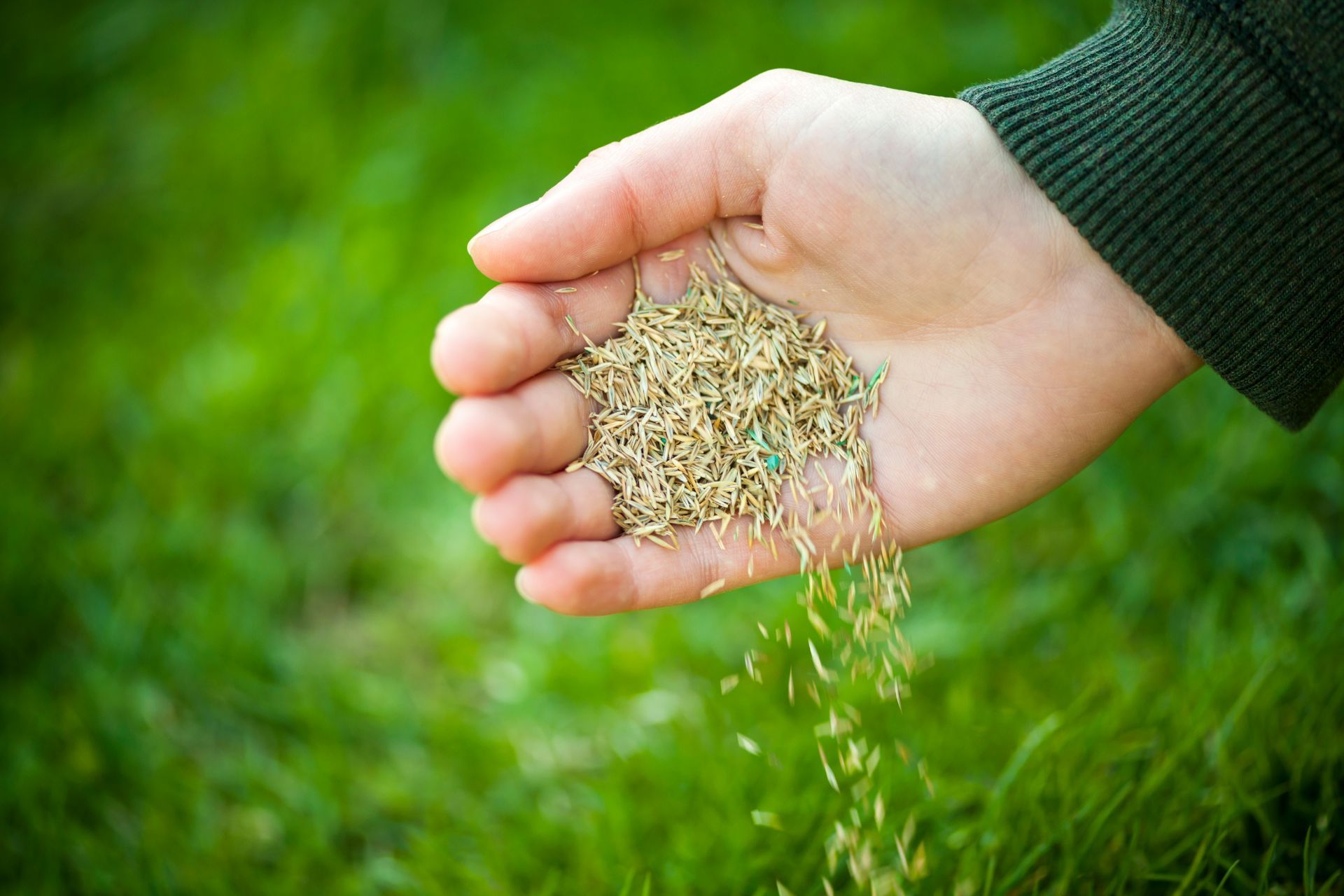
For tall fescue, fall seeding gives seedlings more time before summer heat; spring seeding carries a shorter establishment window. Seeded warm-season varieties need warmer conditions, while many hybrid Bermuda and zoysia cultivars are established with sod or other vegetative material. Check your cultivar and any herbicide restrictions before planting.
Watering Wisely
While spring usually brings rain showers to Athens, GA, it’s vital to monitor your lawn's moisture levels. Proper watering practices can prevent both overwatering and drought stress, which can damage your grass.
Establish a Watering Routine
Start by watering your lawn early in the morning to reduce evaporation losses and fungus risks. Adjust your watering schedule based on the rainfall levels to maintain adequate soil moisture. Aim for deep, infrequent watering to encourage deep root development.
Aerate Your Lawn
Core aeration can relieve soil compaction, but timing matters. For Bermuda and zoysia, wait for active late-spring or summer growth. Fall is the preferred renovation window for fescue.
Choosing Aeration Tools
A core aerator removes small soil plugs, creating openings for air and water. Schedule it when compaction is a problem and the lawn is actively growing enough to recover.
Control Weeds and Pests
Identify weeds and pests before choosing a control. Pre-emergent herbicides can help prevent certain weeds, but may also prevent desired grass seed from establishing. Follow the label for grass compatibility, timing and restrictions around seeding.
Organic Pest Control
Start with correct mowing, watering and identifying the actual pest. Protect beneficial insects and use a treatment only when needed. Natural or organic products are not automatically harmless; choose an option labeled for the pest and site, and follow all use and re-entry directions.
Conclusion
A practical spring plan starts with your grass type and the condition of your yard. Dead Silent Lawn Care can help with ongoing lawn maintenance
and seasonal yard cleanup in Athens. For fescue renovation, see our fall aeration and overseeding guide. Tell us what your property needs for a free estimate.
Georgia guidance: UGA grass-specific lawn calendars and Lawns in Georgia: Establishment.
Frequently Asked Questions
When is the best time to start spring lawn care in Athens, GA?
Start by inspecting the lawn and clearing winter debris as conditions allow. Fertilizing, seeding and aerating depend on grass type and active growth, rather than a fixed early-March start date.
How often should I water my lawn during the spring in Athens?
Check rainfall, soil moisture and the condition of the grass before watering. Established lawns generally benefit from deeper, less frequent irrigation when needed; newly seeded or sodded areas require an establishment plan.
What type of grass seed is best for Athens, GA?
Choose grass for your sunlight, drainage and maintenance needs. Tall fescue is usually seeded in fall. Warm-season varieties need warmer conditions, and many hybrid Bermuda and zoysia cultivars are planted with sod or other vegetative material instead of seed.
Can I reseed and fertilize my lawn at the same time?
Sometimes, when the season, grass and soil-test recommendation support it. Use the recommended nutrients and rates rather than automatically applying a balanced or high-phosphorus fertilizer with seed.
How can I naturally control pests in my lawn?
Identify the pest first and improve mowing, watering and other growing conditions. Preserve beneficial insects. If treatment is needed, choose a product labeled for the pest and lawn; natural or organic does not mean harmless, and label precautions still apply.