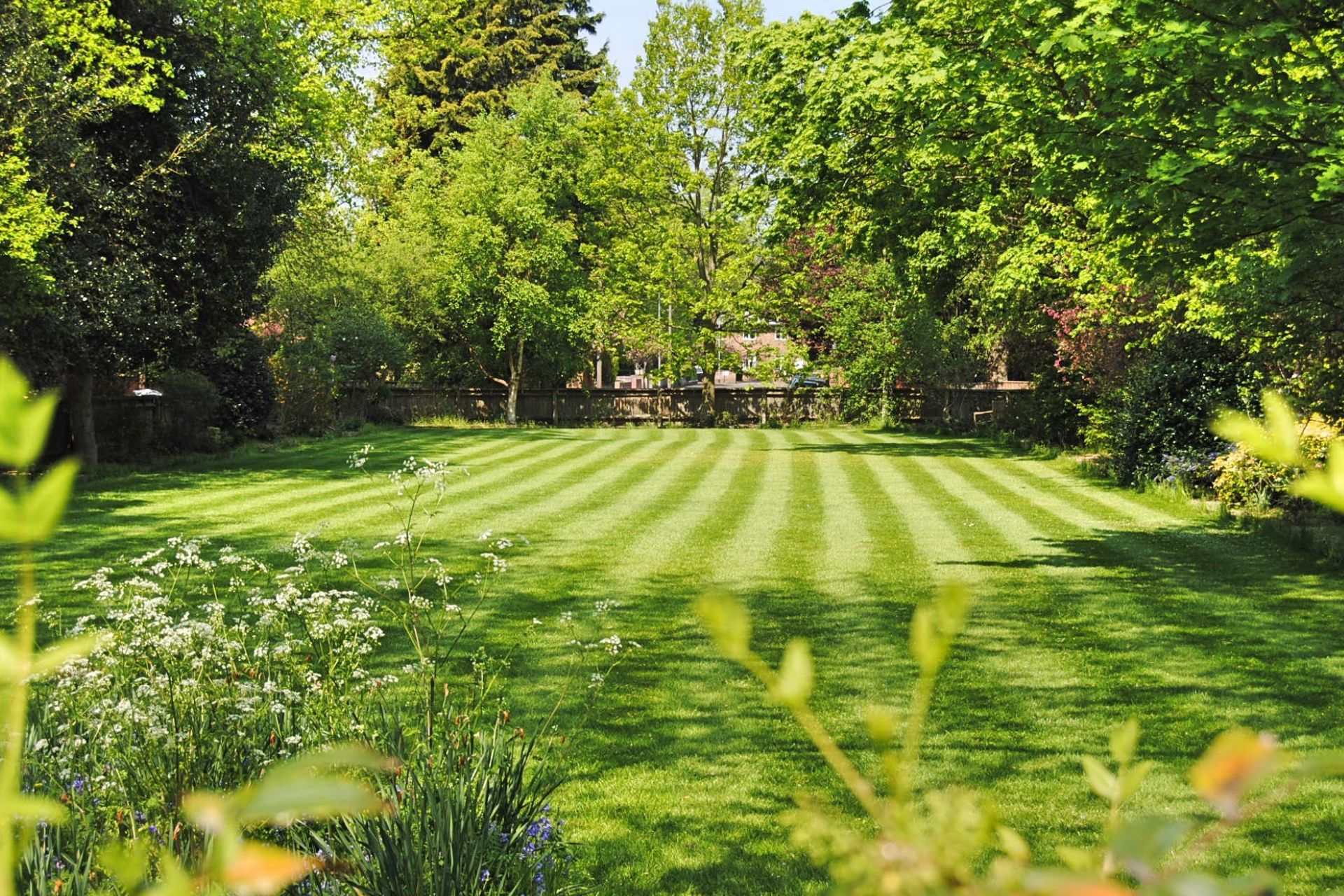
Our Commitment to Eco-Friendly Lawncare in Athens, GA
In today's world, where environmental concerns are at the forefront, taking an eco-friendly approach to lawn care is not just a trend—it's a responsibility. At Dead Silent Lawncare, located in the heart of Athens, GA, we are committed to maintaining beautiful lawns while preserving the environment. In this article, we'll explore our eco-friendly practices, the benefits of sustainable lawn care, and how you can contribute to a greener environment with your lawn care choices.
Why Choose Eco-Friendly Lawncare?
The Environmental Impact of Traditional Lawn Care
Traditional lawn care methods often rely heavily on chemical fertilizers, pesticides, and excessive water use. These practices can lead to soil degradation, water contamination, and harm to local wildlife. By choosing eco-friendly lawn care, you are actively reducing these negative impacts on the environment.
The Benefits of Sustainable Practices
Eco-friendly lawn care not only benefits the environment but also offers several advantages to homeowners. Sustainable practices improve soil health, promote biodiversity, and reduce water usage, leading to lush, resilient lawns. Moreover, these practices often result in lower maintenance costs and healthier living spaces for your family.
Our Eco-Friendly Practices at Dead Silent Lawncare
Organic and Natural Products
Dead Silent Lawn Care can provide appropriate organic or natural treatment options. Product choice depends on the lawn and the problem being addressed. Natural does not automatically mean harmless: labels, application directions and restrictions for children and pets still matter.
Efficient Water Management
We can help with irrigation-related work and grass choices suited to the site. Water needs depend on the grass, soil, rainfall and establishment stage; even drought-tolerant turf may need supplemental water.
Biodiversity and Native Plantings
Native plants can provide food and shelter for local wildlife in landscape beds. Match each plant to the available light, drainage and space rather than assuming every native plant needs little water or care.
Sustainable Lawn Maintenance Practices
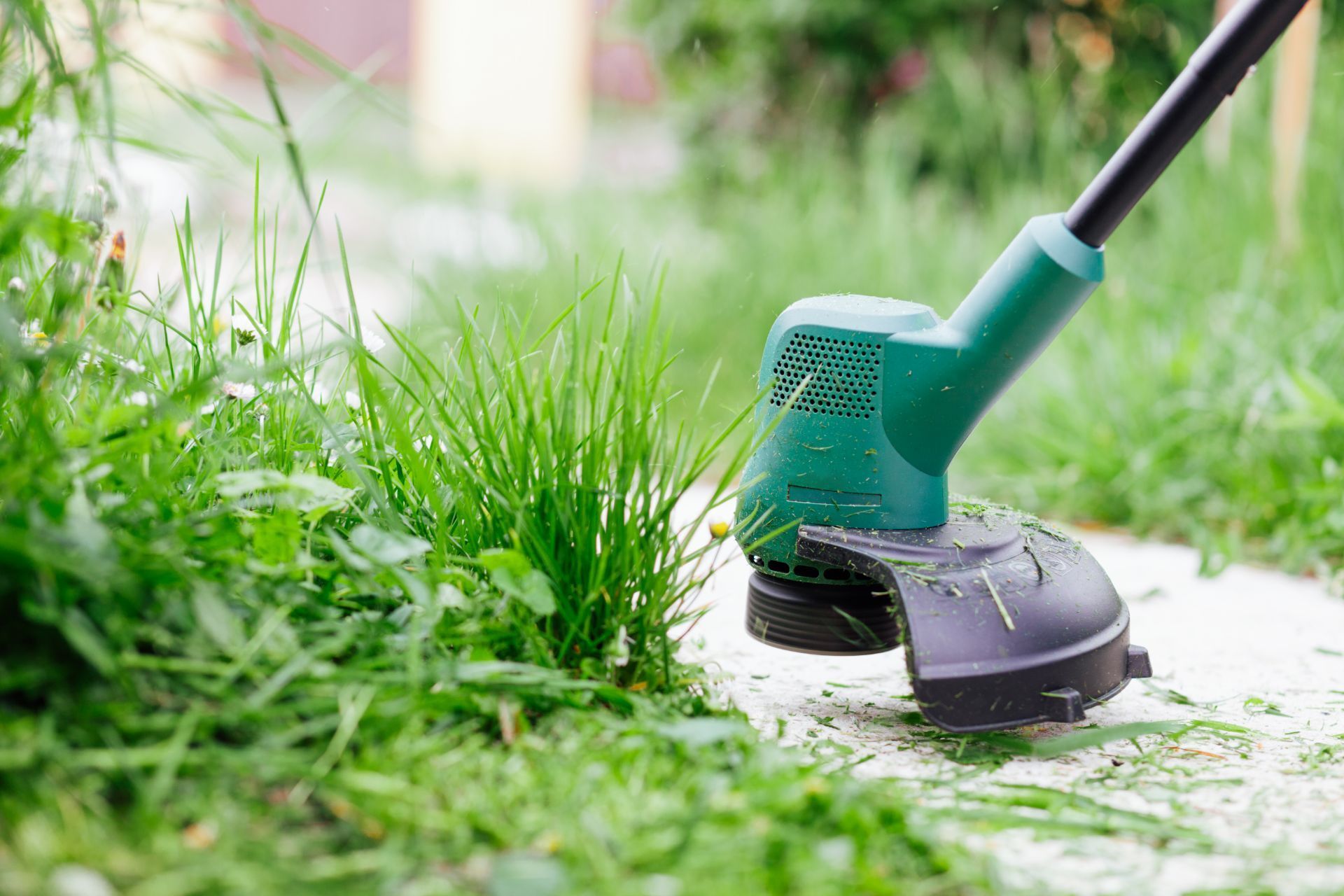
Our team is trained in sustainable lawn maintenance practices, such as proper mowing techniques and composting grass clippings. These methods enhance soil health, reduce waste, and encourage a thriving lawn ecosystem.
How You Can Contribute to Eco-Friendly Lawncare
Choose Native Plants and Grasses
Choose plants suited to your site, including appropriate natives in beds. For turf, select a grass that fits local conditions, sunlight and intended use; common Georgia lawn grasses are not all native.
Adopt Water-Saving Techniques
Repair leaks, account for rainfall and adjust irrigation to the soil and plants. Drip irrigation can be useful in landscape beds; turf usually requires a different watering approach.
Reduce Chemical Usage
Use soil testing to guide fertilizer choices and identify weeds or pests before treating. Integrated pest management combines monitoring and appropriate cultural, mechanical and, when needed, product-based controls. Follow the label for every pesticide, including natural products.
Conclusion
A practical care plan starts with the property, not a one-size-fits-all product. Explore our property maintenance and landscaping services in Athens, or ask us about your lawn and landscape goals.
Further reading: UGA native plant guidance and UGA Integrated Pest Management.
Frequently Asked Questions
What are the benefits of choosing eco-friendly lawn care?
Eco-friendly lawn care benefits the environment by reducing chemical use, conserving water, and promoting biodiversity, leading to healthier lawns and ecosystems.
How can I make my lawn more eco-friendly?
Match care to your grass and site, test soil before fertilizing, avoid unnecessary watering and diagnose problems before using pesticides. Natural products still require label precautions.
Why should I choose native plants for my lawn?
Suitable native plants in landscape beds can support wildlife. Their water, light, drainage and care needs vary, so choose for your particular site.
How does Dead Silent Lawncare ensure sustainable lawn care?
We offer quieter rechargeable electric lawn care, landscaping, irrigation-related work and appropriate treatment options. Recommendations depend on the property and agreed service.
What are natural alternatives to chemical fertilizers and pesticides?
Compost, appropriate organic fertilizers, hand removal and other cultural or mechanical methods may help with specific needs. No single option replaces diagnosis; natural pesticides are not automatically harmless and must be used according to their labels.