Avoiding Water Waste: How to Audit Your Sprinkler System at Home
Proper irrigation is crucial for maintaining a vibrant lawn, but inefficient sprinkler systems can lead to excessive water waste. At Dead Silent Lawn Care in Athens, GA, we emphasize the importance of sprinkler system audits to ensure optimal performance and environmental responsibility. Here’s a step-by-step guide on how to audit your home sprinkler system to enhance efficiency and prevent water waste.
Why Audit Your Sprinkler System?
Conducting a sprinkler system audit helps you identify and resolve inefficiencies, ensuring your lawn receives the right amount of water without waste.
Benefits of a Sprinkler Audit
- Water Conservation: Reduce water usage, lower your water bill, and help conserve local water resources.
- Improved Lawn Health: Even water distribution promotes lush, healthy grass growth.
- Cost Savings: Efficient systems prevent overwatering, saving money on both water and potential lawn damage repairs.
- Early Detection of Issues: Identify leaks, clogs, or system malfunctions before they cause significant problems.
Steps to Audit Your Sprinkler System
Performing a sprinkler audit involves checking various components of your irrigation system for efficiency and functionality.
Step 1: Inspect for Leaks
Check Each Zone:
Turn on each irrigation zone separately and walk through your lawn to inspect for visible leaks, such as pooling water or spouts where water shouldn’t emerge.
Step 2: Assess Coverage
Perform a Visual Check:
Ensure all areas of your lawn are being watered evenly. Look for dry spots or signs of overwatering, such as soggy patches.
Conduct a Catch-Can Test:
Place matching, straight-sided containers evenly within one zone, run it for a measured time and compare the collected depths. Repeat by zone. Uneven amounts reveal coverage issues; the average depth and runtime help you estimate the application rate.
Step 3: Evaluate Sprinkler Heads
Check for Misaligned Heads:
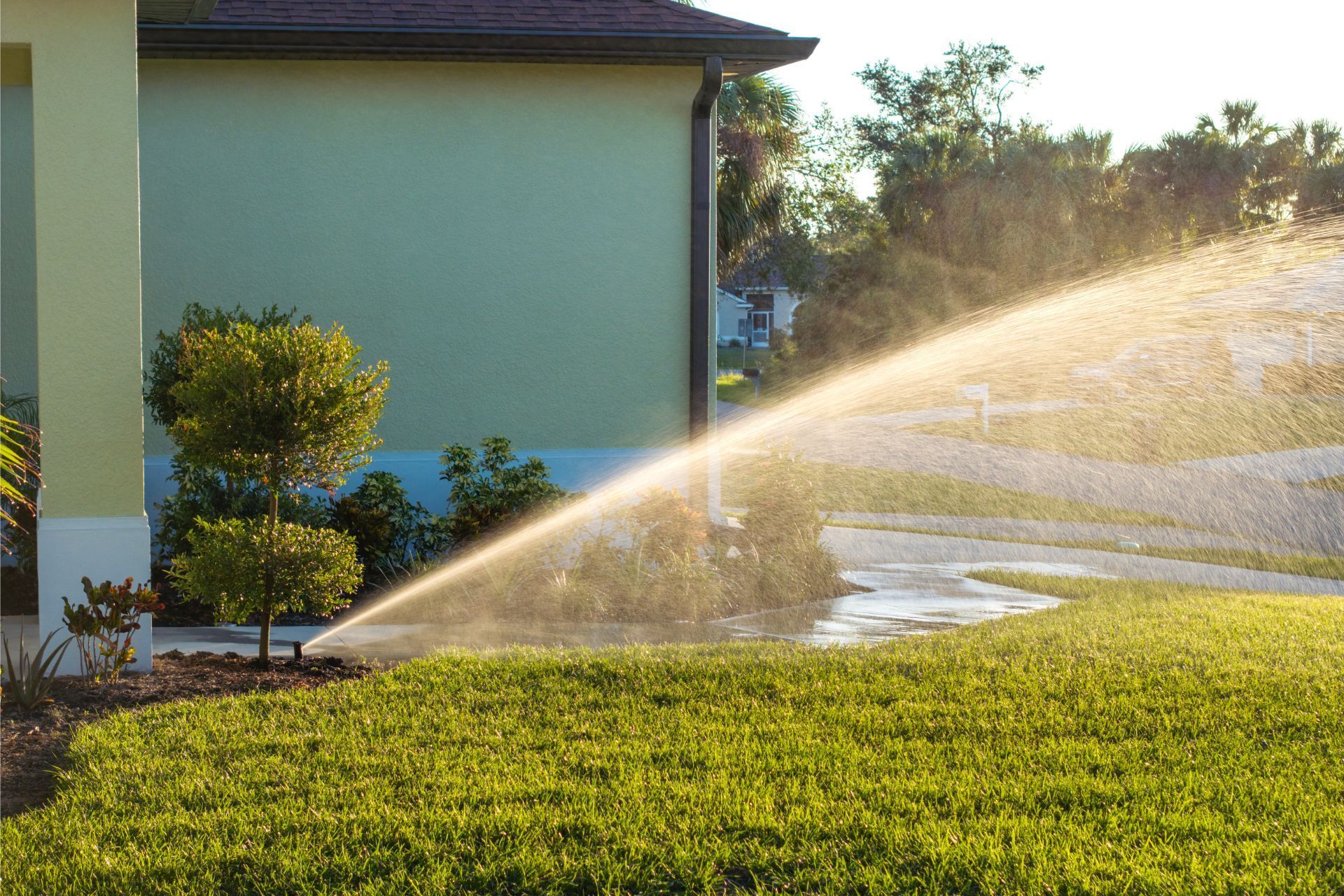
Adjust any sprinkler heads misaligned, which causes water to target pavement or walls instead of grass.
Clean Nozzles and Filters:
Remove debris from nozzles and filters to prevent clogs and ensure consistent spray patterns.
Step 4: Monitor Water Pressure
Optimal Pressure:
Ensure the water pressure is not too high or too low, which can affect the system’s coverage and efficiency. Consider using a pressure regulator if necessary.
Step 5: Examine Timer and Schedule
Review Timer Settings:
Ensure your system's timer is set to water during optimal hours, such as early morning, to reduce evaporation. Avoid unnecessarily extending overnight leaf wetness.
Adjust Watering Schedule Seasonally:
Adapt your watering schedule based on seasonal changes and weather patterns to prevent water waste and overwatering.
Additional Tips for Efficient Water Use
- Install Drip Irrigation: For flower beds or specific sections, drip irrigation provides targeted watering with minimal waste.
- Use Smart Controllers: Invest in smart irrigation controllers that adjust watering based on weather and lawn conditions.
- Regular Maintenance: Perform routine maintenance checks to keep your sprinkler system running efficiently.
Conclusion
An irrigation check can uncover leaks, poor coverage and schedules that no longer fit the weather. Dead Silent Lawn Care can discuss irrigation-related work and ongoing property maintenance in Athens. Tell us what you are noticing for a free estimate.
Frequently Asked Questions
How often should I audit my sprinkler system?
Conduct a full audit annually, with periodic checks during the growing season to maintain efficiency.
What signs indicate I might be overwatering?
Soggy patches, runoff, or standing water are common signs of overwatering or inefficiency.
Can I audit my sprinkler system without professional help?
Yes, with proper guidance, homeowners can effectively audit and make simple adjustments on their own.
How can smart controllers enhance my irrigation system?
Smart controllers optimize watering schedules based on real-time weather and soil moisture data, maximizing water use efficiency.
What is a catch-can test?
A method using evenly spaced containers to measure water distribution across your lawn, ensuring even coverage.